
Blog
Forcing Hyacinths on Water: A Winter Windowsill Project

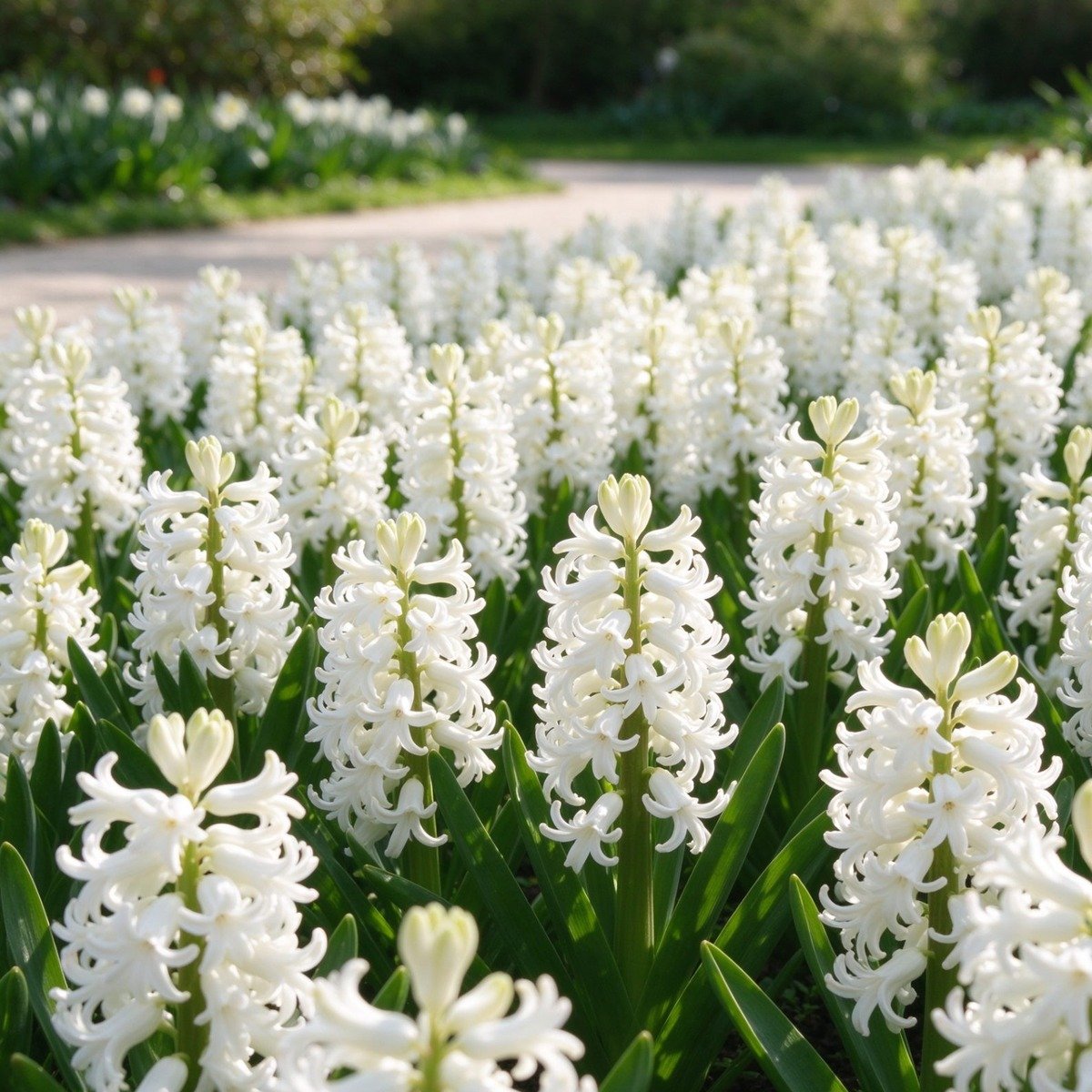
Hyacinths are the most fragrant bulb you can grow indoors, and the easiest to force without soil. A hyacinth glass — a narrow-necked vase that holds the bulb above the water — is the traditional tool, but a small jar with a wire support works just as well.
The appeal is not just the scent. Forcing hyacinths on water is a project you can do with children, on a windowsill, in the middle of winter, with almost no equipment and a very high success rate.
What you need
- Firm, healthy hyacinth bulbs — the biggest you can find.
- A hyacinth glass, or a jar with a support that holds the bulb above the water.
- A cool, dark place: a cupboard, a garage, a cellar, or a box in a cold room.
- Water, and patience.
Prepared bulbs vs ordinary bulbs
Hyacinths sold for indoor forcing are usually “prepared” — they have been heat-treated to trick them into flowering early. Ordinary garden hyacinths will also force, but they need a longer cold period and flower later.
If you are buying in autumn, look for bulbs described as prepared for forcing. If you are using bulbs from the garden, expect to add three or four weeks to the schedule.
Setting the bulb above the water
Fill the glass so that the water sits just below the base of the bulb — close enough that the roots can reach it, but not touching the bulb itself. If the bulb sits in water, it rots.
Set the bulb in the neck of the glass, pointed end up, and put the whole thing somewhere cool and dark. A temperature of 8–10 °C is ideal. A cool cupboard, an unheated spare room or a garage works well; a warm kitchen does not.
The cold, dark rooting phase
This is the part most people rush, and it is the part that decides whether you get a compact flower spike or a floppy yellow stem. The bulb needs six to ten weeks in the dark and cold to grow a strong root system before the shoot appears.
Check the water level every two weeks and top it up so it stays just below the bulb. Change the water if it becomes cloudy. Keep the glass in the dark — a cardboard box over the top is a simple way to do it.
When a green shoot is 5 cm tall and the roots fill the glass, the rooting phase is over.
Bringing it into the light
Move the glass to a cool, bright windowsill — ideally 15–18 °C. Too warm, and the stem stretches and the flowers open too fast; too dark, and the leaves go pale and flop.
Turn the glass every few days so the spike grows straight. The flowers will open over two to three weeks, filling the room with scent. A single hyacinth is enough to perfume a whole room; three is almost too much.
Keeping a heavy spike upright
A full hyacinth spike is surprisingly heavy. If it starts to lean, tie it loosely to a thin cane or a skewer with a piece of soft twine. Do not tie tightly — the stem thickens as it grows.
If the flowers open unevenly, move the glass somewhere slightly cooler. Heat is what makes hyacinths collapse in the middle.
After flowering: plant it out
Forced hyacinths will not force well a second time, but they will grow in the garden. When the flowers fade, cut off the flower spike, keep watering, and plant the bulb out in the garden in spring once the danger of hard frost has passed.
Plant it 10 cm deep in a sunny spot and leave the leaves to die back naturally. It may take a year to recover, but it will flower again in the garden — often for many years.
Problems and fixes
- Bulb rotting: water level too high, or the bulb was damaged. Start again with a firm bulb and keep the water below the base.
- No roots after four weeks: too warm. Move the glass somewhere cooler and darker.
- Long pale leaves, no flower: brought into the light too early, or the cold period was too short. Next time leave it in the dark until the shoot is 5 cm.
- Flowers opening green: the bulb was forced too fast. Move it cooler and slower next season.
Hyacinths for water culture
The Pure White Hyacinth Bulbs are the classic choice for a glass — clean, formal and heavily scented. The Blue-Purple Hyacinth Bulbs give you the deepest colour, and the Coral-Pink Hyacinth Bulbs are the warmest of the three on a grey January windowsill.
Set three glasses going this autumn, staggered two weeks apart, and you will have scent on the windowsill from Christmas to March.