
Blog
Why Spring Bulbs Fail to Bloom: A Practical Diagnosis

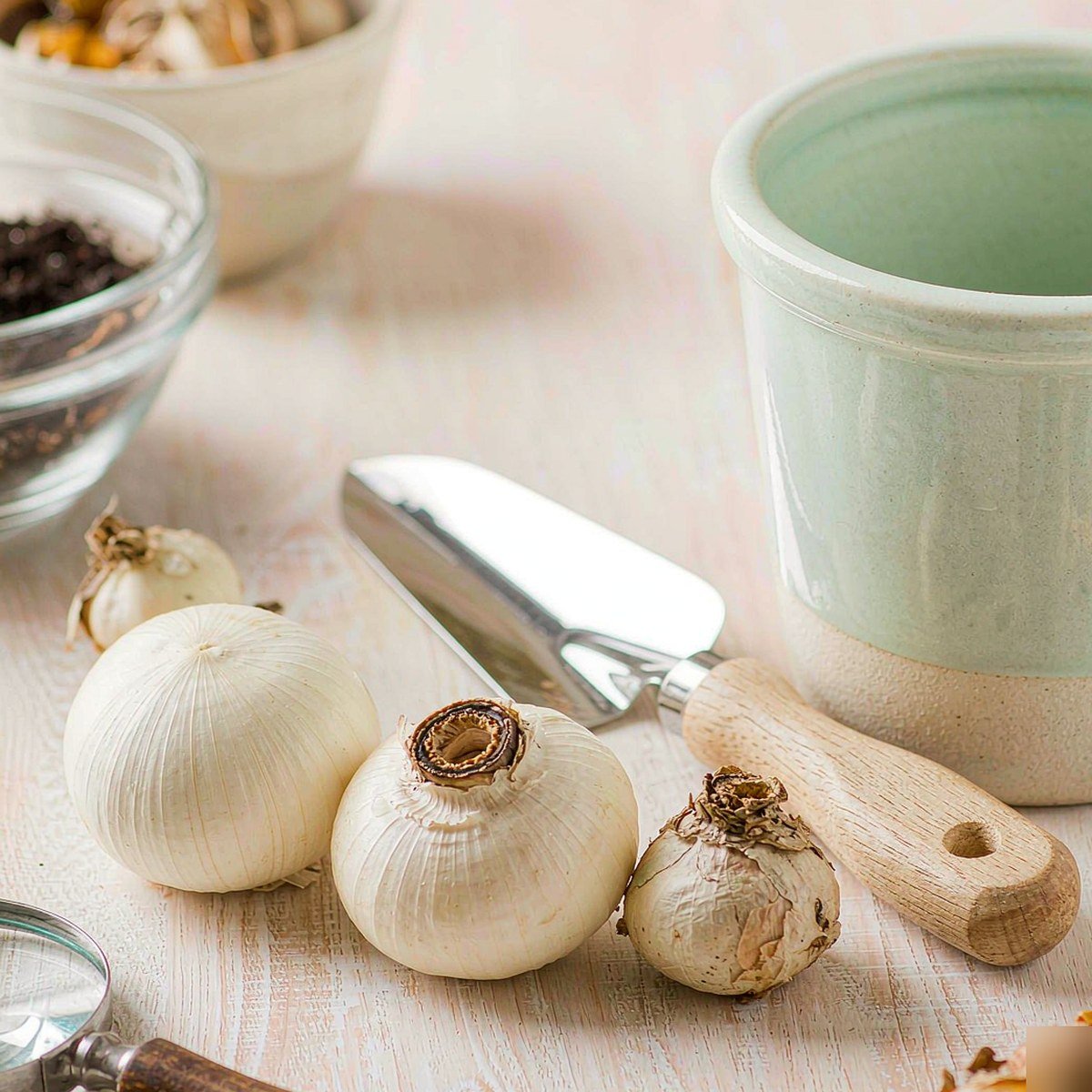
Quick answer: When a spring bulb produces leaves but no flower, the cause is usually one of five things: an undersized or damaged bulb, too little winter cold, soggy soil, foliage cut too early the previous year, or animals feeding on the bud. Start by squeezing the bulb. Firm and heavy means the problem is likely site or timing; soft, papery, or hollow means you are looking at a bulb that cannot flower again. Fix the cause now, while the soil is still workable, rather than buying more of the same bulbs and repeating the result.
Start with the bulb, not the weather
It is tempting to blame the winter, but the bulb itself gives you the first clue. Lift one suspect clump and hold it in your palm. A healthy bulb feels dense, like a fresh onion, with intact papery skin and a firm basal plate. A shriveled shell, a hollow centre, white fuzz, or a mushy base means the storage tissue has been lost. No amount of fertilizer will rebuild it.
Size matters too. A small tulip or hyacinth bulb may grow a perfectly respectable leaf fan and still lack the reserves to push a flower. When you replace stock, choose carefully: scarlet red tulip bulbs and blue-purple hyacinth bulbs are the types where a larger bulb generally gives a stronger first display. Crocus corms are naturally small, so judge them by firmness rather than heft.
The five causes behind most empty stems
- Not enough cold. Tulips and many hyacinths need a sustained chill to initiate a flower bud. In a mild winter or a warm microclimate, they may send up leaves only. Pre-chilled stock or a colder planting spot solves this.
- Wet feet in winter. Bulbs rot in soil that stays saturated. Heavy clay that holds a puddle is a bigger problem than a dry spell. Plant on a slight rise or work grit and compost into the planting zone.
- Foliage removed too soon. Leaves are the solar panels that refill next year’s flower. Cutting or mowing them while still green is the most common reason a clump quietly stops blooming.
- Crowding. Daffodils and alliums multiply until the clumps are too tight to support flowers. Lift and divide in early autumn, then replant the largest offsets.
- Wildlife. Squirrels, voles, and deer may eat the bulb underground or nip the bud before it opens. Physical barriers and plant choice matter more than repellent sprays.
Notice how few of these causes are about feeding. A balanced bulb fertilizer is fine, but it cannot compensate for a rotting base or a bud eaten in March.
Match the symptom to the cause
Use this table as a quick triage tool when you walk the garden in spring.
| What you see | Most likely cause | What to change |
|---|---|---|
| Leaves only, first year after planting | Insufficient chill or a small bulb | Buy larger stock, choose a colder site, pre-chill where needed |
| Leaves only, clump several years old | Crowding or early foliage cutting | Divide in autumn, leave foliage until it yellows |
| Soft, collapsed stems and a sour smell | Winter rot | Improve drainage, plant higher, discard affected bulbs |
| Clean cuts on shoots, missing buds | Deer or rabbits | Plant closer to the house, use mesh or a repellent routine |
| Soil disturbed, bulbs lying on the surface | Squirrels or voles | Bury wire mesh over the bed and clean up papery skins |
Some genera are far more forgiving than others. heirloom trumpet daffodil bulbs usually return for years if their foliage is left alone, while tulips often behave as short-lived performers. deep purple crocus bulbs can vanish in shade because the flowers only open in strong sun, which looks like blindness from a distance. giant ornamental onion bulbs may hide their yellowing leaves behind later perennials, so plant them where their straw-colored foliage is not mistaken for a dying plant.
What to do in late autumn
If you are reading this with bare beds and a bag of bulbs in the garage, you still have a useful window. Work through these steps while the soil is cool but diggable:
- Sort the stock. Plant firm bulbs first and compost the shriveled ones. There is no benefit to burying a lost cause.
- Fix drainage before digging holes. Choose a bed that drains within a day of rain, or build a shallow raised mound.
- Plant at the right depth. Roughly two to three times the bulb’s height, pointed end up, in groups rather than a single row.
- Water once, deeply. Settle the soil and then let rainfall do the rest. Repeated soaking is a rot invitation.
- Protect the bed. Lay wire mesh over planted areas and cover it lightly with mulch. Shoots will grow through; digging animals will not.
Our late-autumn tulip planting guide covers the cold-soil argument in detail. If you are planting several heights in one container, the layered pot method avoids the shallow-pot problem entirely, and the daffodil meadow guide shows how to leave foliage long enough for the bulbs to recharge.
Know when to replace rather than repair
Some bulbs are worth keeping for a decade: daffodils, alliums, crocuses, and species tulips in a suitable site. Hybrid tulips and large hybrid hyacinths are more likely to dwindle after a season or two, and treating them as annual plantings is often the most honest approach. Either way, mark where you planted them. A quick map in autumn prevents the most avoidable failure of all: digging into next year’s dormant bulbs while planting something new.
Your next step
Walk your beds with a trowel and a notebook this week. Lift one non-flowering clump, check whether the bulb is firm, and write down which of the five causes fits. Then amend the drainage, divide the crowded clumps, or order fresh stock for the spots that cannot be repaired. Start with the bulbs linked above, and give each one a site that matches its needs. Next spring, your diagnosis should show up as flowers rather than another patch of unexplained leaves.