
Blog
Lycoris: The Spider Lily That Blooms When You Least Expect It

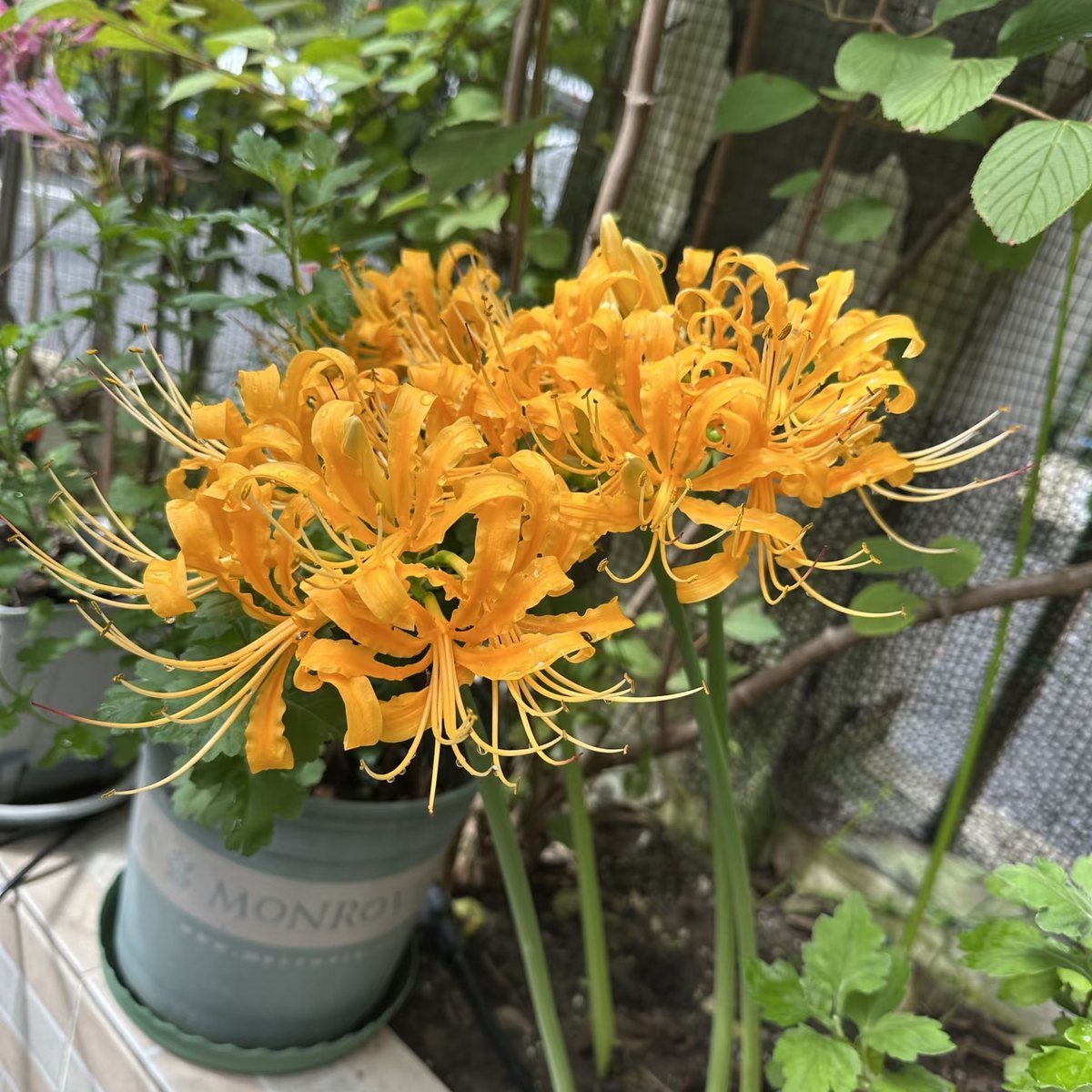
In late August, a patch of bare ground suddenly sends up a stem. No leaves, no warning — just a green shoot that opens within days into a cluster of long, curled, shaggy petals on a stem that looks far too thin to hold them. Two weeks later the flowers are gone, and only then do the leaves appear.
This is lycoris, the spider lily, and it is one of the few bulbs that genuinely surprises experienced gardeners.
Why lycoris flowers without leaves
Lycoris has evolved a clever trick. The leaves grow through winter and spring, making food while light is available, then die back in early summer. The bulb rests through the hottest weeks, and when the late-summer rains arrive it sends up a flower spike using the reserves it stored months earlier.
That is why the flowers appear on bare stems: the plant is running on stored energy, not on current photosynthesis. It also explains why the leaves that follow the flowers matter so much — they are next year’s flowers being built.
Planting depth and timing
Plant lycoris bulbs in late summer or early autumn, as soon as they arrive. Set them with the neck of the bulb just at or slightly above soil level — 10–15 cm deep, but with the top of the bulb visible. Deep planting is the most common reason lycoris fails to flower.
Choose a sunny spot with free-draining soil. Lycoris comes from rocky hillsides in Asia and resents wet ground in summer, when it is dormant.
The patience problem
Newly planted lycoris often does not flower in its first year. Sometimes not in the second. This is normal. The bulb is settling in and building size, and a lycoris that is moved or disturbed will sulk for a season.
The rule is simple: plant it, then leave it alone. Do not dig it up to check on it. Do not move it because it did not flower. The third autumn is usually the one that rewards you.
What it needs in summer
- Dry soil while dormant — the opposite of most bulbs. A lycoris that sits wet in July will rot.
- Full sun for the flower spike to develop properly.
- No summer watering unless the plant is in a pot, and even then only sparingly.
- A mulch of grit around the neck to keep moisture away from the bulb.
The late-summer surprise
The flower spike appears fast — often within a week of the first rain. The buds open from the outside in, and a single umbel can carry six to eight flowers. They last about two weeks, and are superb cut flowers: the curled petals give an arrangement an almost architectural quality.
Cut the stem when the first flowers are fully open and the rest will follow in water. Do not cut the foliage when it appears later; that is the plant’s entire food supply for the year.
Leaves in winter, flowers in autumn
After flowering, strap-like leaves emerge and grow through the winter. In mild gardens they stay green until spring; in cold gardens they may be damaged by hard frost, which is one reason lycoris flowers best in sheltered spots.
Feed lightly when the leaves appear, and leave them alone until they yellow in early summer. The dry summer dormancy that follows is not a problem to be fixed — it is the plant doing what it evolved to do.
Where to place it
Lycoris works best at the front of a sunny border, in a gravel garden, or naturalised in thin grass. It also grows well in a large pot, provided the compost drains sharply and the pot is kept dry in summer.
Because the flowers appear on bare stems, plant lycoris where something low-growing sits at its feet — a ground cover that hides the bare soil in summer and lets the flower spike rise through it.
Lycoris bulbs for autumn
For the classic shaggy, curled form, our Lycoris Bulbs with Shaggy Petals are the place to start. The Lycoris Bulbs with Long Curled Petals give a more dramatic, spidery outline, and the elegant spidery form is the best for cutting.
Plant them this autumn, then forget about them. The reward comes when you have stopped expecting it — which is exactly the point of lycoris.